Urgent habitat management to save declining population of Spermophilus suslicus in Ukraine
- Year granted
- 2026
- Funding body
- The Mohamed Bin Zayed Species Conservation Fund
- Status
- Active
- Project leader
- Mikhail Rusin
Urgent habitat management to protect the declining speckled ground squirrel population, supported by the Mohamed Bin Zayed Species Conservation Fund.
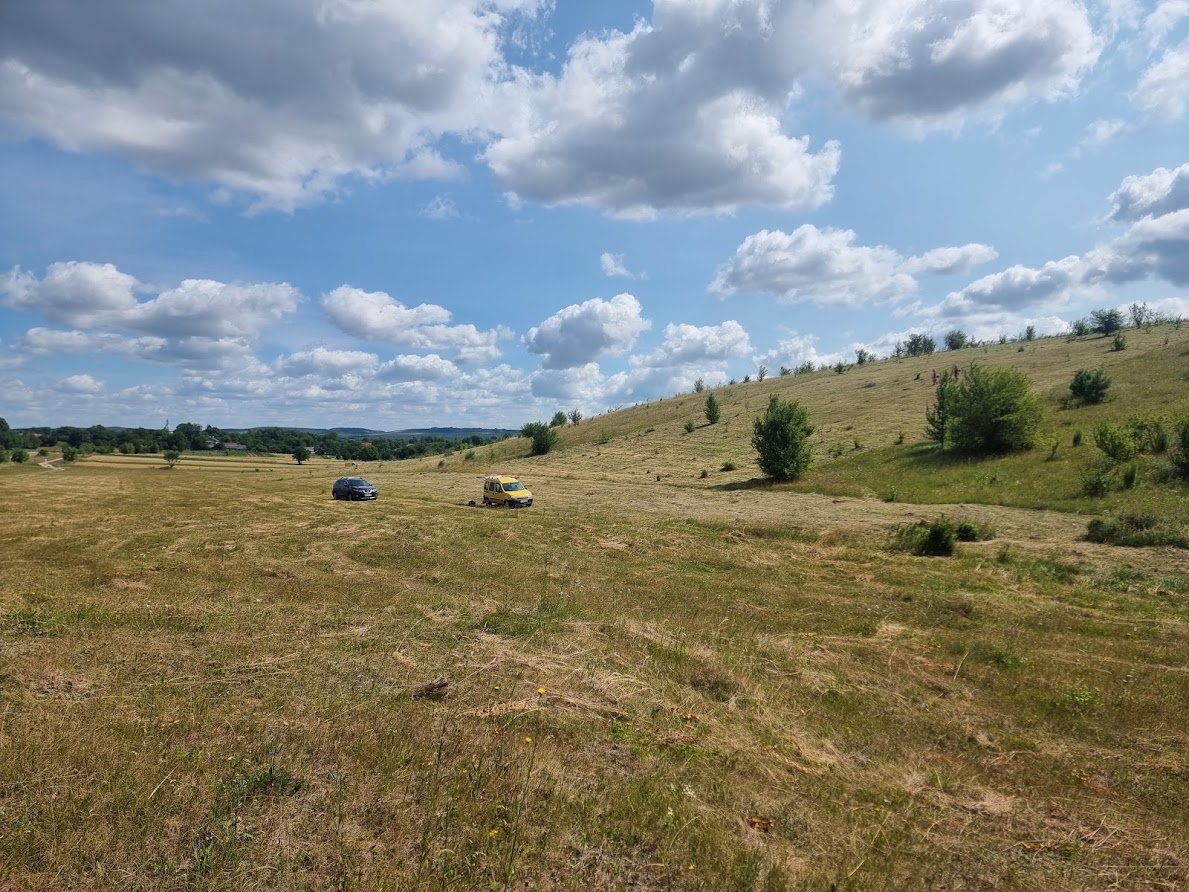
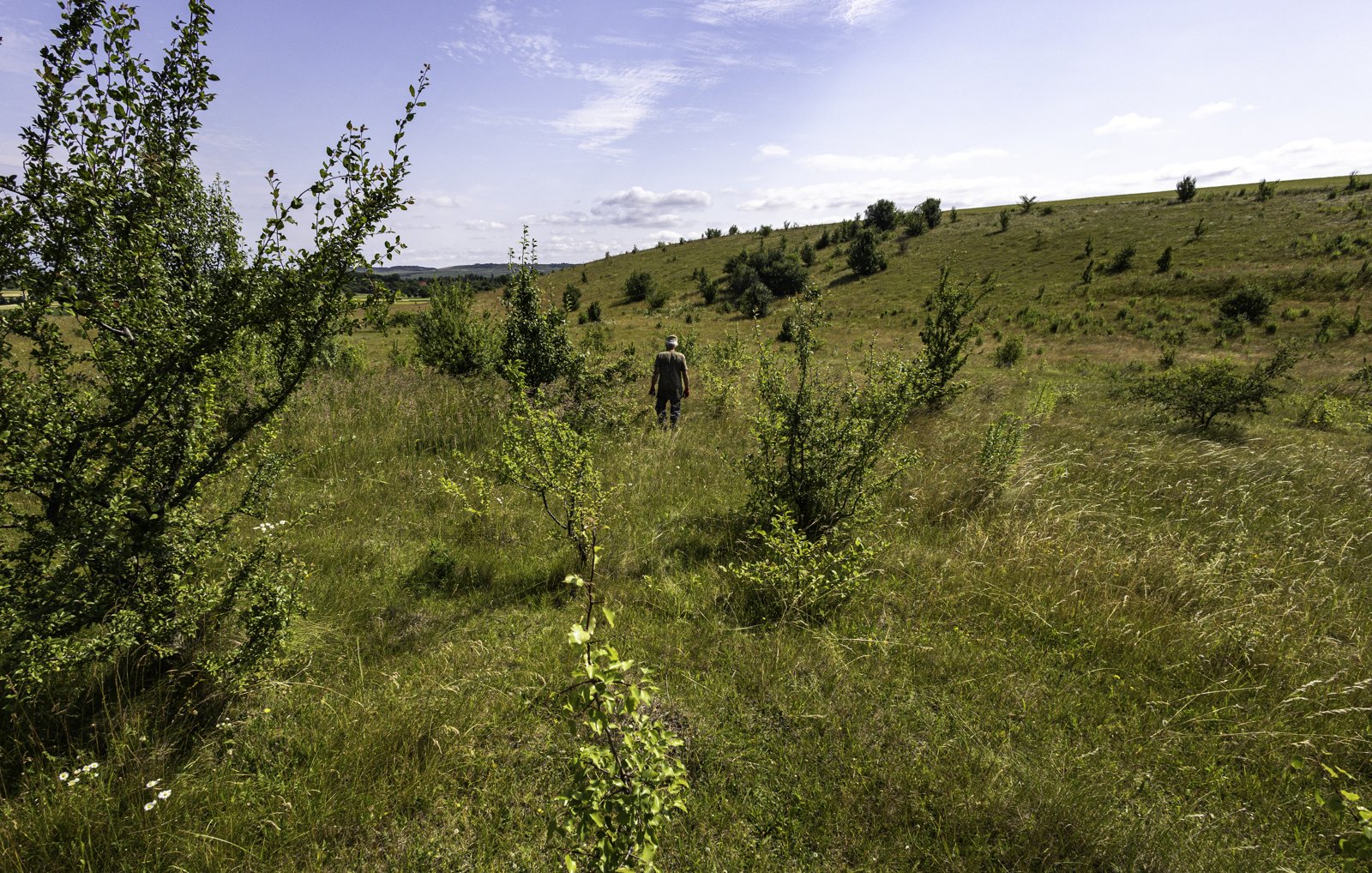
In the past, S. suslicus was a common species throughout Ukraine, including the west. It lived in open grasslands, where numerous livestock herds grazed on pastures. Then livestock numbers collapsed — and with them, sousliks vanished from most of their extent of occurrence. The spotted souslik is among the most declined mammals in all of Europe: from tens of millions in the middle of the XX century to only around 1000 animals in 2026, according to our census. In Lviv Region, the last surviving colonies persist near the village of Sukhovolia, by the town of Brody. We look after one such plot — a valley of 7 ha. Locals recall up to 70 head of cattle grazing here. When we first arrived in 2024, only 6 cows and 2 horses remained; in 2025, just 4 cows and 1 horse; and finally in 2026, a single cow and 1 horse. Without grazing, the valley became catastrophically overgrown, and we feared losing the last colony of the species in the region. So we took immediate action. In 2025, we made a first attempt to remove trees and bushes and cut the grass (read about it in Rubryka's article). But only about 1 ha was cleared. In 2026, with the help of the Mohamed Bin Zayed Species Conservation Fund, we are launching full-scale management, aiming to clear all — or at least most — of the valley.
Where we work
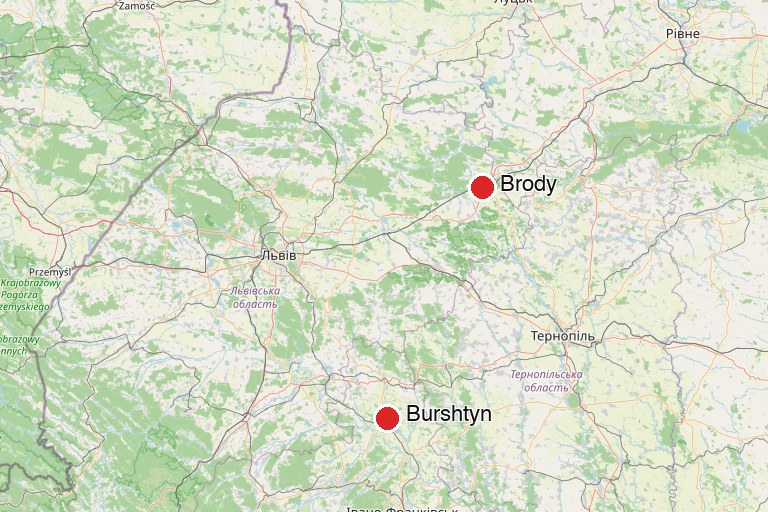
Souslik localities: Brody and Burshtyn (Kasova Hora).
Map data © OpenStreetMap contributors
Same valley near Sukhovolia, before and after management
Trees close in on the steppe
Without grazing and mowing, trees and bushes close in on the steppe. At Kasova Hora the open souslik habitat was shrinking year by year.
Surveying what needs clearing
We mapped the overgrown patches first, marking where clearing would bring the most habitat back.
Mowing in action
Then the mowing began — volunteers cut back bushes and tall growth across the colony area.
A colony with degraded habitat
This is what a colony with degraded habitat looks like: sousliks squeezed into the remaining open patches.
Clearing, step by step
Brush cutting and removal continued through the season.
Opening the slope
This slope was too encroached with wild plum trees, and the souslik colony here was close to full collapse. Clearing work restores open ground the colony can expand into.
Work through the season
More moments from the habitat management work.
Moments from the field
A short glimpse of the management work in progress.